Thank you for writing to us. One of our executive will reach back to you through your submitted medium. In case there’s an urgency, feel free to connect over WhatsApp for faster response.
Prefer calling? Dial +9108048059763 (International callers) or 08048059763 (Indian callers).
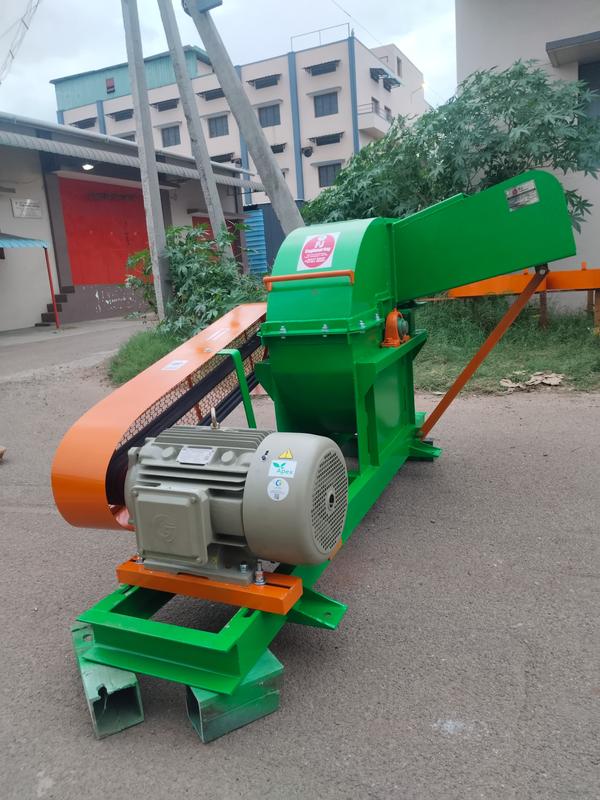
The 10 HP Shredder Machine Motor is engineered for stable operation, ensuring reliable performance in agricultural applications. Designed to operate under both single-phase and three-phase configurations, it accommodates voltages ranging from 220 to 440 volts for versatile usage.
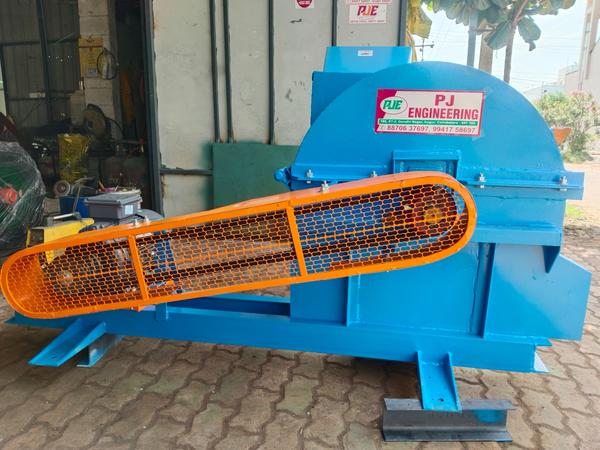
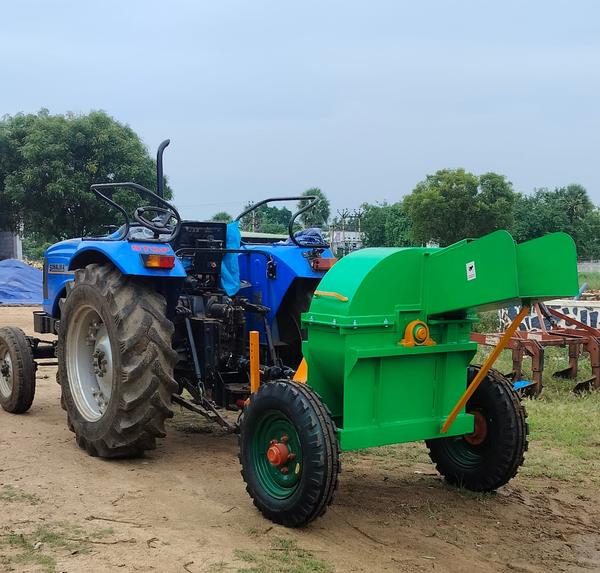
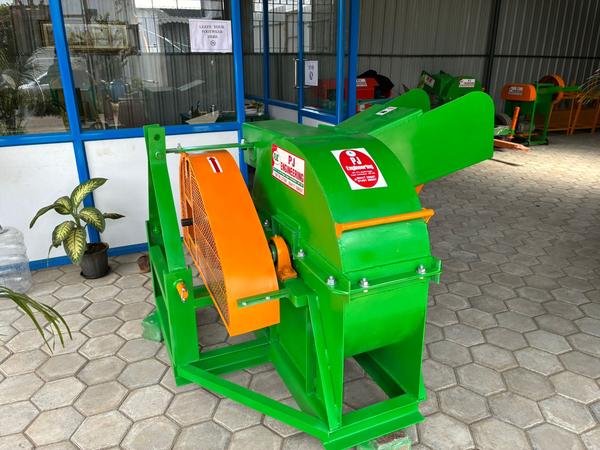
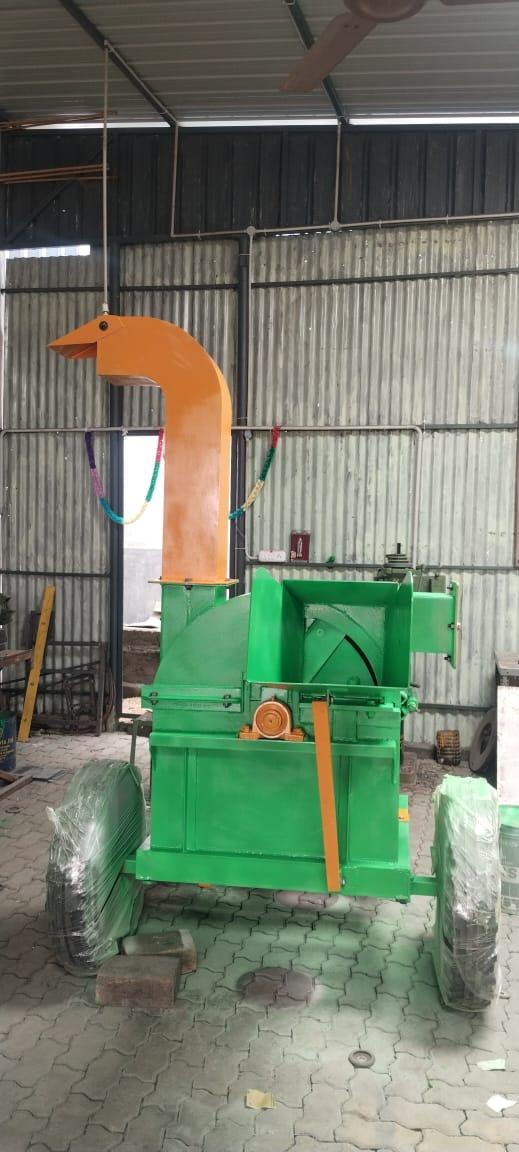
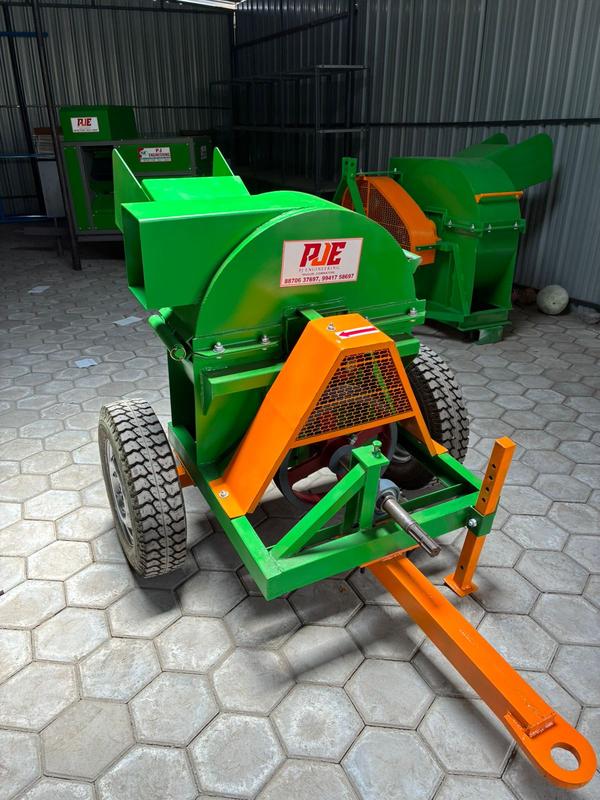
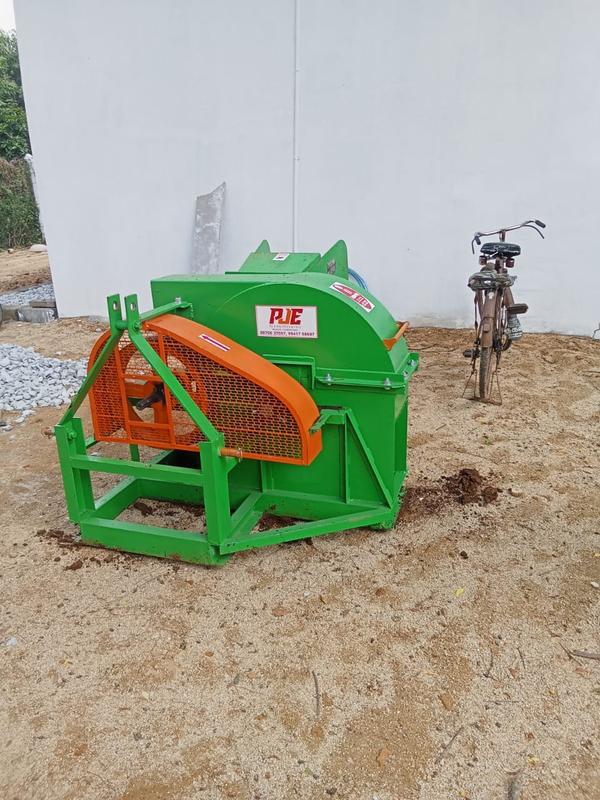
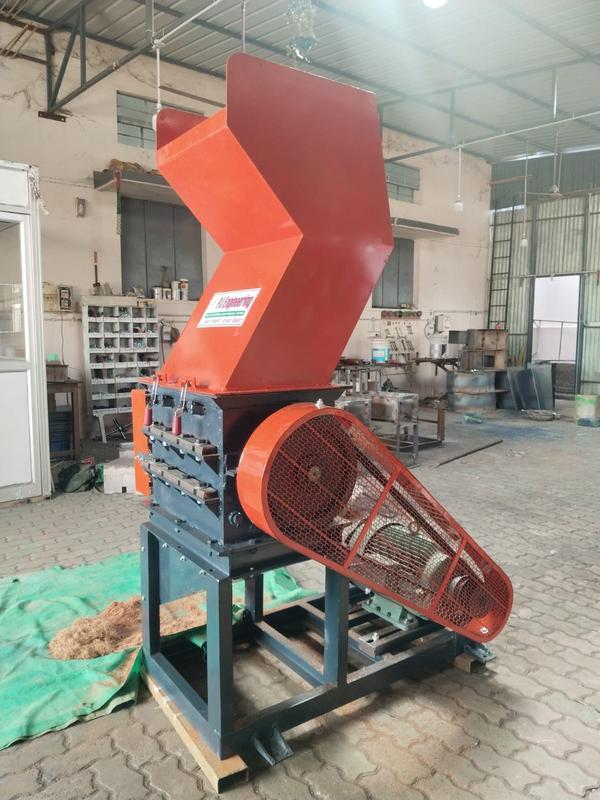
A shredder cum pulverizer tyre machine is a dual-purpose agricultural and industrial machine that uses high-torque blades to first shred bulky materials like tires, crop residue, and waste into smaller pieces, and then pulverize those pieces into a fine powder or granules. These machines are built for durability and high-efficiency processing, often powered by a tractor's PTO or an electric motor. They are used for waste management, recycling, and creating nutrient-rich manure or compost.
Key details and features:
Dual function: The machine performs two distinct functions in one process: shredding large items into smaller, manageable pieces, and then pulverizing those pieces into finer particles or granules.
Material processing: It is capable of processing a wide range of materials, including old tires, agricultural waste (like crop residues, banana stems, and coconut fronds), and general organic waste.
Power source: Machines can be powered by a tractor's PTO (Power Take-Off) or an electric motor, with power requirements ranging from around 15 HP to over 50 HP, depending on the model and its intended use.
Durability: These machines are built from durable materials like mild steel to withstand heavy-duty use in harsh environments.
Application:
Agriculture: Shredding crop residues to create compost or manure, and managing general farm waste.
Recycling: Reducing the volume of materials like tires for easier disposal and recycling.
Waste management: Processing organic waste for easier handling.
Design and operation: They are designed to be robust yet user-friendly, with some models offering automatic functionality. The “tyre model” specifically refers to the machine's ability to process tires, often with a heavy-duty, high-torque mechanism designed to handle their durability.
A 20 HP shredder-cum-pulverizer is a powerful machine for processing agricultural waste, powered by either a 20 HP electric motor or a 20 HP diesel engine. It's designed to efficiently shred and pulverize materials like agricultural waste, including coconut waste, into smaller pieces, which can then be used to create compost or organic manure. Key features include a durable mild steel construction, high capacity for processing large volumes of material (e.g., 1500–2000 kg/hr), and the ability to handle both wet and dry waste.
Power and operation
Power Source: Can be powered by either a 20 HP electric motor or a 20 HP diesel engine.
Electric Motor: The electric motor can operate on both single-phase and three-phase power and supports a voltage range of 220–440 volts.
Diesel Engine: A diesel engine option is ideal for on-field use where an electricity source is not available, often including self-start and wheel setups for portability.
Automatic Operation: These machines are typically automatic, simplifying operation.
Performance and capacity
Processing Capacity: Can process between 1500–2000 kg/hr, depending on the model.
Material: Efficiently shreds and pulverizes a variety of agricultural wastes, such as coconut waste and other organic residues.
Waste Types: Capable of shredding both wet and dry agro waste.
Construction and features
Construction: Made from durable mild steel to withstand heavy-duty agricultural use.
Design: Some models feature a dual-chamber design for efficient operation.
Durability: The heavy-duty design ensures a long service life.
Applications
Waste Management: Reduces the volume of agricultural waste on farms and plantations.
Composting: Converts organic waste into a high-quality feedstock for compost and organic manure.
A hydraulic shredder-cum-pulverizer is a heavy-duty machine that uses hydraulic power and a rotor with multiple blades to shred and break down waste materials into smaller pieces. These machines are commonly used in agriculture to process farm waste like stalks and leaves into compost, but can also be used for industrial applications like tire recycling or other heavy-duty material processing. They are built with durable materials like mild steel to handle tough conditions and are powered by either an electric motor or a tractor PTO.
Key features and details
Function: It performs two functions: shredding, which cuts large waste into smaller pieces, and pulverizing, which grinds those pieces into a finer powder or compost.
Power source: The hydraulic system can be powered by an electric motor or a tractor's Power Take-Off (PTO).
Blades: The machine uses multiple hardened blades, including cutting blades and pulverizer blades, to process materials efficiently.
Construction: They are built from robust materials like high-quality mild steel to ensure durability and longevity.
Applications:
Agriculture: Shreds and pulverizes crop residues like stalks, leaves, and stems to convert them into nutrient-rich organic manure for soil improvement.
Industrial: Handles heavy-duty tasks like processing tires, wood, and other waste materials in various industrial settings.
Capacity: Performance varies by model, with some high-capacity agricultural models processing up to 5,000 kgs/hr.
Handling: They may come with features like a feeding chute for easy material input and a tow bar for transportation.
A shredder-cum-pulverizer with a blower is a dual-purpose machine designed to process bulky materials into fine, smaller particles and then efficiently discharge them. It is often used for processing agricultural waste, such as coconut fronds and other plant residues, to create mulch or organic manure.
How it works
This machine processes material in two stages and uses a blower for final discharge:
Shredding: The initial stage uses heavy-duty cutting blades to chop bulky material into smaller, more manageable pieces.
Pulverizing: The shredded material is then fed into a separate section with smaller, faster-moving hammers or blades. This further grinds the material into a fine, powdery consistency.
Blowing/Discharge: Once the material is finely pulverized, a built-in blower or fan uses air pressure to expel the final product out of the machine through a discharge chute. This mechanism is particularly useful for loading the material directly into a truck, a collection bag, or distributing it over a field.
Key components
Hopper/Feeding Chute: The entry point where waste material is fed into the machine.
Rotor Assembly: The core of the machine, which contains both the shredding blades and the pulverizing hammers.
Shredder Blades: Large, robust blades used to perform the initial, rough size reduction. Depending on the model, these can be tapered or fixed.
Pulverizing Blades/Hammers: Smaller, rectangular blades or hammers that rotate at high speeds to finely grind the material into powder.
Blower Mechanism: A fan or impeller that creates an airflow to move the processed material out of the machine.
Power Source: The machine can be operated by an electric motor, diesel engine, or by a tractor's Power Take-Off (PTO).
Chassis/Frame: A durable steel structure that houses all the components and provides stability.
Wheels: Many models come with pneumatic wheels for easy transport across farms or job sites.
Advantages
Two-in-one function: Combines shredding and pulverizing in a single machine, streamlining the waste processing workflow.
Improved material handling: The integrated blower system allows for easy and efficient discharge of processed material, reducing manual labor for loading and spreading.
Nutrient-rich output: Can convert agricultural and garden waste into fine organic manure, which improves soil fertility and reduces the need for chemical fertilizers.
Faster decomposition: By pulverizing organic material into a finer powder, the machine helps speed up the natural decomposition process.
Versatile applications: Suitable for processing a wide range of materials, including wood, leaves, coconut husks, and other agricultural waste.
Common applications
Agriculture: Processing farm waste into mulch and organic compost.
Composting: Accelerating the decomposition of organic waste for vermicomposting.
Waste management: Reducing the volume of organic and other waste materials.
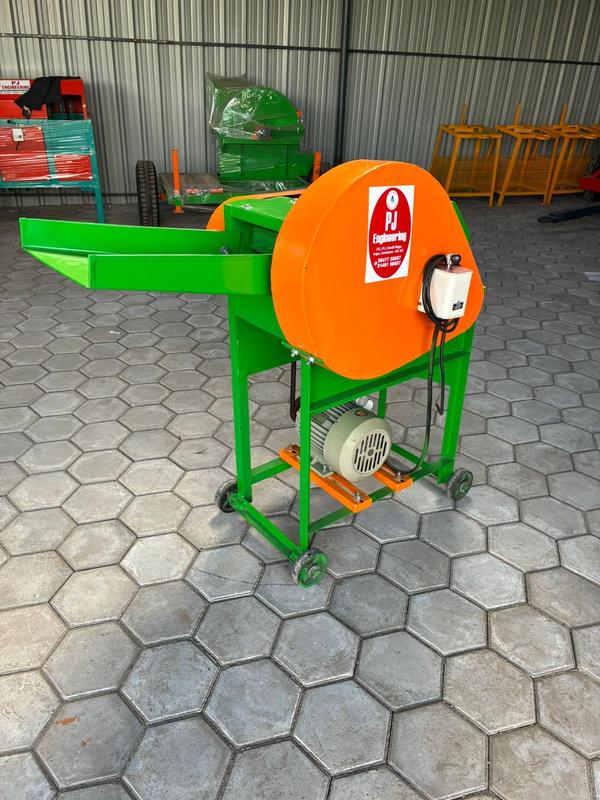
A mini shredder cum pulverizer is a compact, multi-purpose agricultural machine used to process farm and organic waste like crop residues. It functions by shredding and grinding materials into smaller pieces that can be used as compost or organic fertilizer, improving soil fertility and reducing the need for chemical fertilizers. These machines are typically built from durable mild steel and can be powered by electric motors, diesel engines, or tractor PTO.
Key features and specifications
Purpose: To shred and pulverize farm and organic waste for use as compost or organic manure.
Power source: Can be electric, diesel, or powered by a tractor's Power Take-Off (PTO).
Construction: Made from sturdy mild steel for durability and strength.
Capacity: Varies by model, with some handling up to 2000 kg per hour.
Blades: Equipped with a rotor assembly with blades for shredding and pulverizing.
Input: Can handle various agricultural wastes, including both dry and wet materials.
Benefits
Organic farming: Converts waste into nutrient-rich manure, promoting organic farming practices.
Soil improvement: The shredded material can be spread on fields to increase moisture and fertility.
Waste management: Efficiently processes and manages agricultural waste.
Reduces chemical use: Decreases the reliance on chemical fertilizers by improving soil health naturally.
Applications
Farming: Shredding crop residue like stalks and leaves.
Composting: Prepares waste for decomposition, including for vermicomposting.
Landscaping: Processes organic waste from gardens and farms.
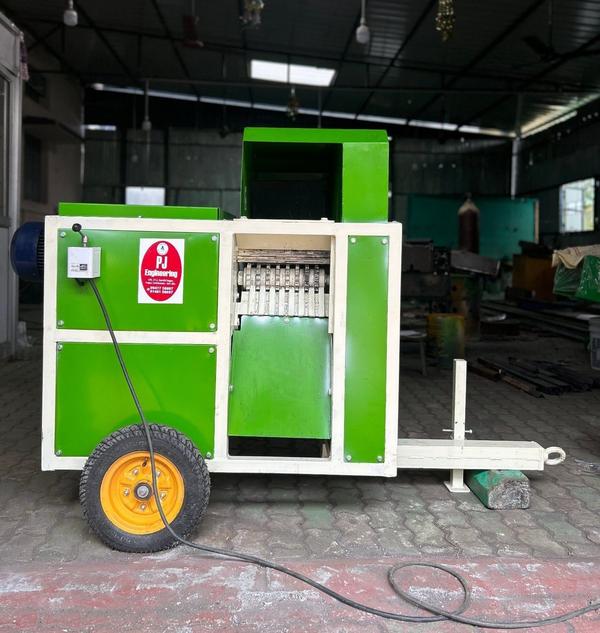
A mini shredder cum pulverizer is a compact hydraulic machine designed for shredding and pulverizing farm or organic waste into smaller pieces, often into a nutrient-rich manure. These machines are typically built from durable mild steel and can be powered by electric motors or diesel engines, with hydraulic systems providing the force for pulverization. They can handle various agricultural wastes, such as coconut fronds and banana stems, and come in different sizes and specifications to meet the needs of small to medium-scale operations.
Key features and components
Hydraulic System: The hydraulic mechanism provides the heavy-duty force needed to shred and pulverize tough materials.
Chassis: Built from sturdy mild steel for durability and long-lasting performance.
Power Source: Can be electrically powered or driven by a diesel engine. Tractor-PTO-operated models are also common.
Rotor Assembly: Contains blades for the shredding action. Some models have a rotor with multiple tapered blades.
Feeding Chute: A feeding chute allows for the input of waste material.
Output: The machine processes waste into smaller pieces, with some models capable of turning organic waste into nutrient-rich manure.
Applications and benefits
Waste Management: Effectively reduces the volume of agricultural and organic waste.
Manure Production: Converts plant waste into a valuable compost or manure for farming.
Versatility: Can handle various types of waste, both dry and wet, such as banana stems, cotton stalks, and coconut fronds.
Efficiency: Modern designs offer high-precision and consistent results, making farm operations more efficient.
A horizontal chaff cutter is a machine that cuts fodder like hay, straw, and corn stalks into small, digestible pieces for animal feed. It typically uses a powerful electric motor ($2$HP is common) and sharp blades to process large quantities of material (e.g., (500-1000) kg/hr) efficiently. Key features include durable construction, easy operation, high cutting capacity, and adjustable cutting length.
Function and purpose Cuts fodder: Slices grass, hay, straw, and other crop leftovers into uniform, smaller pieces. Improves digestion: Makes feed easier for animals to consume and digest, ensuring better nutrient absorption. Reduces waste: Prevents animals from rejecting parts of their meal by creating a uniform feed mix. Versatile use: Suitable for preparing feed for various livestock like cows, goats, and buffaloes. Horizontal Chaff Cutter Cum PulverizerFitted with a 2 HP motor and a 3-blade, 3-roller system, it ensures smooth operation even under heavy loads. Its heavy-duty build ...kovaiclassicindustries.net Key features Motor: Usually powered by a 1.5 to 3 HP motor, which can be single or three-phase. Blades: Equipped with multiple sharp cutting blades for consistent results. Capacity: Can process a high volume of material, with capacities often ranging from (500) to (1000) kg/hr. Durability: Built with heavy-duty construction for long-term use in agricultural environments. Ease of use: Features user-friendly controls and a simple feeding mechanism, sometimes including a forward/reverse switch for safety. Adjustable length: The cutting length can often be adjusted to meet specific needs. Stability: Heavy-duty build ensures stability during operation. Pahel 3-in-1 Horizontal Chaff Cutter with 3 HP MotorIs it easy to switch between operations? Yes, the machine is designed with a user-friendly control system to switch modes easily a...Pahel AgrotechVinspire Chaff Cutting MachinePiece. ... The Horizontal Chaff Cutter is a powerful industrial machine designed for cutting grass with its 1-3 HP electric motor.vinspire agrotech (i) private limited Operation and maintenance Feeding: Feed materials into the machine's hopper. Collection: Position a container or bag under the outlet to collect the chopped chaff. Safety: Be aware of the outlet during operation and do not stand directly behind it. Maintenance: Regular checks of nuts and bolts, lubrication of moving parts, and removal of dust are crucial for maintaining performance.
A copra cutting machine is a device used to cut dried coconut meat (copra) into smaller chips or pieces, which is essential for extracting oil. These machines vary from small domestic models to large industrial units, and they improve processing speed, efficiency, and consistency in size. Key components include powerful motors and hardened steel blades, with options ranging from manual to fully automatic operation.
Function and purpose
Efficient cutting: The primary function is to chop large pieces of copra into smaller, uniform pieces.
Oil extraction: This process is crucial for commercial oil production, as smaller pieces are easier to feed into oil expellers and result in higher oil yield.
Manual labor reduction: It significantly reduces the time and physical effort required for cutting copra by hand.
Key features and types
Construction: Machines are often made from durable materials like mild steel or stainless steel.
Blades: They are equipped with sharp, hardened steel blades for efficient and quick cutting.
Motor: The motor and cutter are typically mounted on a common base, and the motor size can vary depending on the machine's capacity.
Capacity: They are available in various capacities, from small-scale units (e.g., 150 kg/hour) to large industrial machines (e.g., 1-5 tons/day).
Automation: Options include manual, semi-automatic, and fully automatic versions to suit different needs.
Benefits
Increased speed: Machines can process large quantities of copra much faster than manual methods.
Uniformity: They produce consistent chip sizes, which is vital for maximizing the efficiency of the subsequent oil extraction process.
Safety: Automating the cutting process can reduce the risk of injuries associated with manual cutting.
A cocopeat machine processes coconut husks into usable cocopeat, which can be in loose form or compressed into blocks or pellets. Machines vary by capacity, from small, semi-automatic models with a production of up to (100) kg/hr to large, automatic industrial presses that can produce up to (1) ton/hr or more. Key components often include a hydraulic press for compacting, and some larger models use gear-driven ring dies for efficiency. The machines use electricity as their power source. Fully Auto Hydraulic Compactor 5kg Hydraulic Coco Peat Block Making Machine Coco Peat Baling Machine PriceCoconut brick pressing machine works by compression molding: loose coconut fiber is compressed to 1/5~1/10 of its original volume ...Alibaba.rPeykc.rWIipd{font-size:var(--m3t5);font-weight:500;line-height:var(--m3t6);margin:20px 0 10px 0}.f5cPye ul{font-size:var(--m3t7);line-height:var(--m3t8);margin:10px 0 20px 0;padding-inline-start:24px}.f5cPye .WaaZC:first-of-type ul:first-child{margin-top:0}.f5cPye ul.qh1nvc{font-size:var(--m3t7);line-height:var(--m3t8)}.f5cPye li{padding-left:4px;margin-bottom:8px;list-style:inherit}.f5cPye li.K3KsMc{list-style-type:none}.f5cPye ul>li:last-child,.f5cPye ol>li:last-child,.f5cPye ul>.bsmXxe:last-child>li,.f5cPye ol>.bsmXxe:last-child>li{margin-bottom:0}.zMgcWd{padding-bottom:16px;padding-top:8px;border-bottom:none}.dSKvsb{padding-bottom:0}li.K3KsMc .dSKvsb{margin-inline-start:-28px}.GmFi7{display:flex;width:100%}.f5cPye li:first-child .zMgcWd{padding-top:0}.f5cPye li:last-child .zMgcWd{border-bottom:none;padding-bottom:0}.xFTqob{flex:1;min-width:0}.Gur8Ad{font-size:var(--m3t11);font-weight:500;line-height:var(--m3t12);overflow:hidden;padding-bottom:4px;transition:transform 200ms cubic-bezier(0.20,0.00,0.00,1.00)}.vM0jzc{color:var(--m3c9);font-size:var(--m3t7);line-height:var(--m3t8)}.vM0jzc ul,.vM0jzc ol{font-size:var(--m3t7) !important;line-height:var(--m3t8) !important;margin-top:8px !important}.vM0jzc li ul,.vM0jzc li ol{font-size:var(--m3t9) !important;letter-spacing:0.1px !important;line-height:var(--m3t10) !important;margin-top:0 !important}.vM0jzc ul li{list-style-type:disc}.vM0jzc ui li li{list-style-type:circle}.vM0jzc .rPeykc:first-child{margin-top:0} Types of cocopeat machines Small/Mini Semi-Automatic Machines: Suited for small to medium businesses, these machines have a production capacity of up to (100) kg/hr and are semi-automatic. Automatic Block Making Machines: These are industrial-grade machines that use hydraulic presses to compact cocopeat into blocks of various sizes and weights (e.g., (5) kg blocks). They have high production capacities, sometimes up to (1) ton/hr or more. Pelletizing Machines: These machines are designed to create cocopeat pellets from biomass, with a wide production capacity range from (0.6) to (10) tons/hr. Single-Phase Machines: These are efficient and easy-to-operate machines for both small-scale farmers and commercial growers, capable of producing either loose material or compact blocks.
Key features and components Power Source: Primarily run on electricity. Production Capacity: Ranges from (100) kg/hr for small machines to over (1) ton/hr for large industrial units. Hydraulic Press: Used in block-making machines for high-pressure compaction to create dense blocks. Ring Die: Used in pelletizing machines to form pellets. Some advanced models use high-precision gear transmission instead of belt transmission to increase efficiency. Automation: Varies from semi-automatic to fully automatic, with some high-end models incorporating automatic weighing and compression. Materials: Constructed with durable materials, sometimes with imported components for parts like bearings in higher-end machines. Warranty: Often comes with a warranty, such as a 1-year warranty for some models. What the machines do Process raw material: They take raw coir pith and process it into a more usable form. Compaction: They compact the processed material into blocks or pellets to make it easier to transport, store, and handle. Improve efficiency: They automate the production process, increasing work efficiency and reducing labor intensity. High-pressure molding: The machines perform high-pressure molding on the raw coir pith, making it suitable for commercial sale.
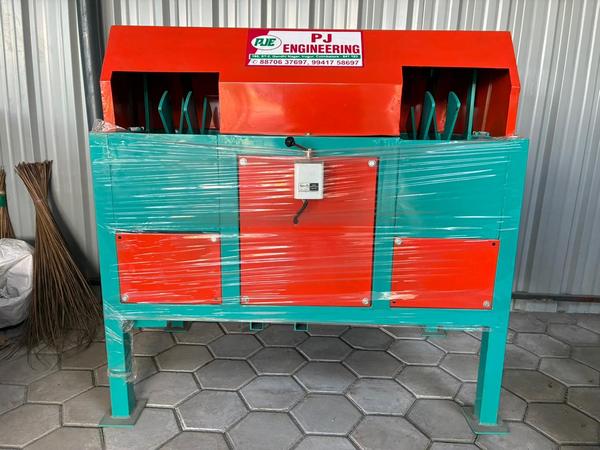
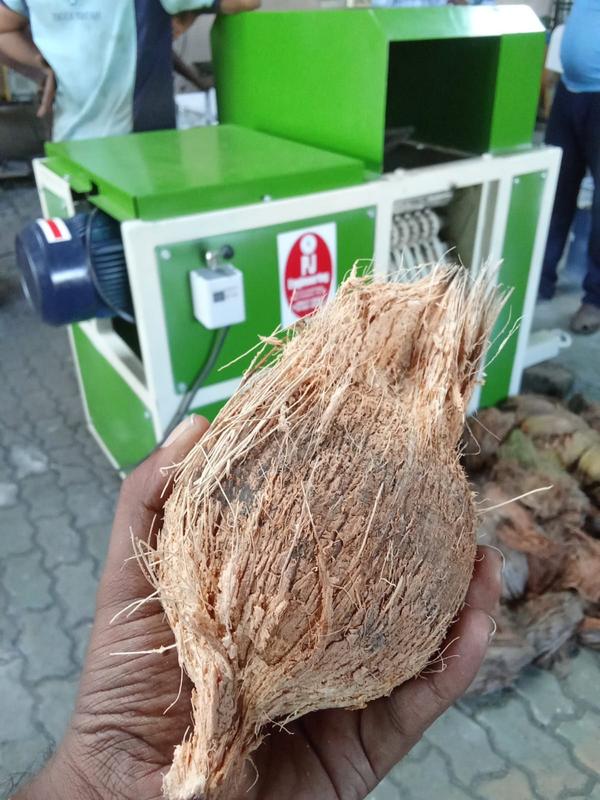
A “tyre model” coconut dehusker machine is a tractor-mounted, semi-automatic unit designed for efficiently removing husks from coconuts. These machines are typically made of mild steel and are powered by a tractor, connecting via a PTO shaft. Key details include an output capacity of 500-1800 coconuts per hour, depending on the specific model, a mild steel construction, and a semi-automatic operation where the user places the coconut, and the machine does the dehusking.
Common specifications
Mounting: Tractor-mounted, often connecting via a PTO shaft.
Power: Powered by the tractor, with the specific HP rating varying by model (e.g., 3.5 HP, 7.5 HP).
Automation: Semi-automatic, with some models being fully automatic and on wheels.
Material: Typically mild steel (MS).
Capacity: Ranges from 500 to 1800 coconuts per hour, depending on the model.
Dimensions: Vary, but some examples include 1730 x 1120 x 1500 mm for a 7.5 HP model.
Weight: Can be substantial, with a 7.5 HP model weighing around 750 kg.
Features: A typical design includes penetrating spikes on rollers that rotate to engage the husk.
Key benefits
Efficiency: Significantly increases the speed and efficiency of coconut dehusking compared to manual methods.
Portability: Being tractor-mounted makes it easy to transport and use in different farm locations.
Durability: Often constructed from robust materials like mild steel for long-term use.
A coconut dehusker stand machine is a semi-automatic, commercial-grade device that removes the husk from coconuts, typically with a capacity of 400-600 coconuts per hour and powered by a 3 HP motor. These machines are often made of mild steel and operate on single-phase power, with a single-stage and a single-stage (stand type) being common variants. Key features include a 1-year motor warranty and a 15-day delivery time.
Product details
Type: Stand type, with variants including single-stage and double-stage.
Automation: Semi-automatic.
Capacity: 400-600 coconuts per hour.
Power: 3 HP.
Phase: Single-phase.
Material: Mild steel.
Warranty: Typically 1 year for the motor.
Delivery Time: Approximately 15 days.
Packaging: Available in open pack or wooden pack options, depending on customer preference.